
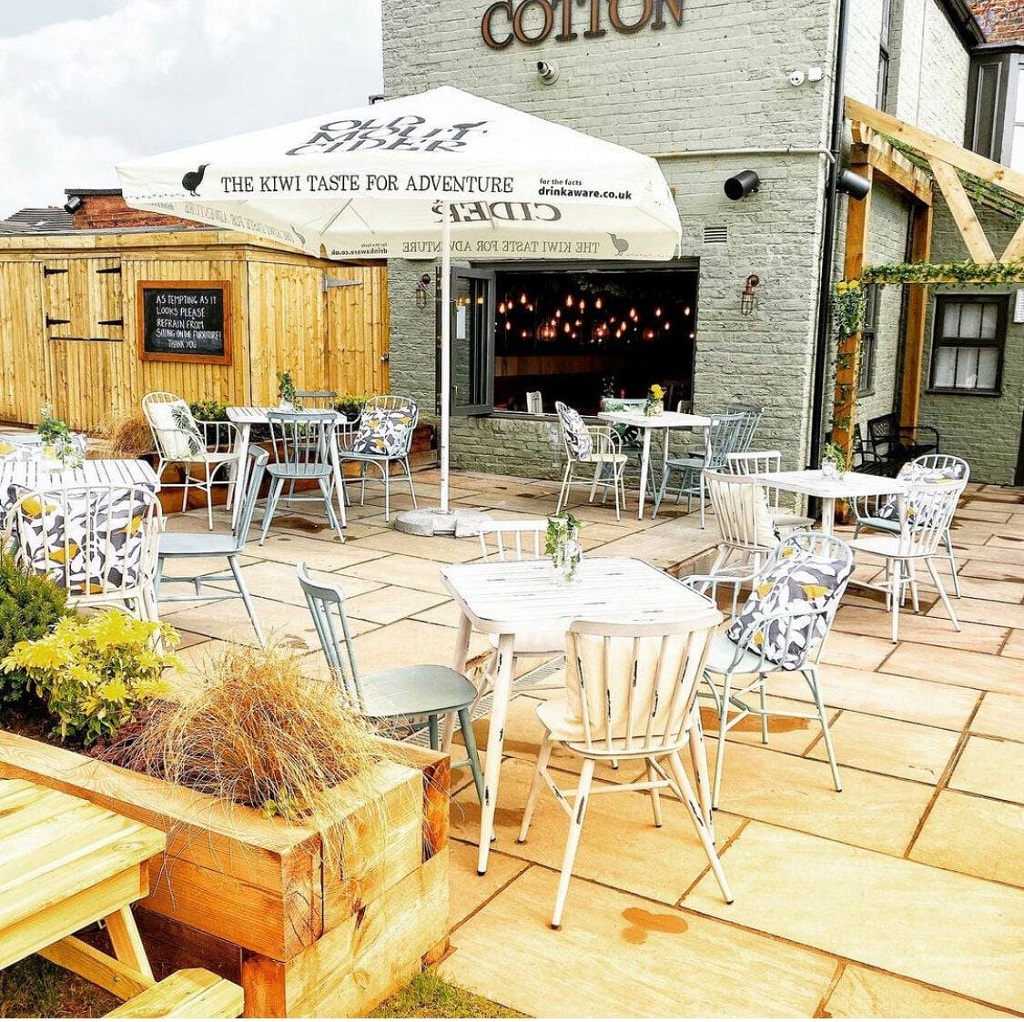
Aluminum Chairs And Tables For Restaurant Outdoor Dining
If you own or manage a restaurant, you have already noticed the shift. Outdoor dining is no longer a seasonal add-on. It is now a core part of the dining experience, a major revenue driver, and often the first thing potential customers see when they walk by. In fact, studies from the National Restaurant Association indicate that 35% of restaurant owners report an average 40% increase in daily sales after adding a well-designed outdoor patio.
But here is the hard truth: your outdoor furniture can either elevate your brand and attract loyal, high-value customers, or it can ruin the guest experience and drain your maintenance budget. Wobbly chairs, peeling finishes, and rust spots send a clear message about your establishment, and it is not a good one.
This is precisely why more and more restaurant operators worldwide are switching to aluminum chairs and tables for restaurant outdoor dining. In 2026, aluminum has become the go-to commercial material for patios in every climate, from humid coastal cafes to snowy mountain bistros. But why is this shift happening so rapidly? What makes aluminum truly superior to wood, wrought iron, or plastic for a busy commercial setting? And most importantly, how can you choose the right pieces to maximize your ROI? This comprehensive guide answers all those questions — and helps you make a smart investment that keeps guests coming back.
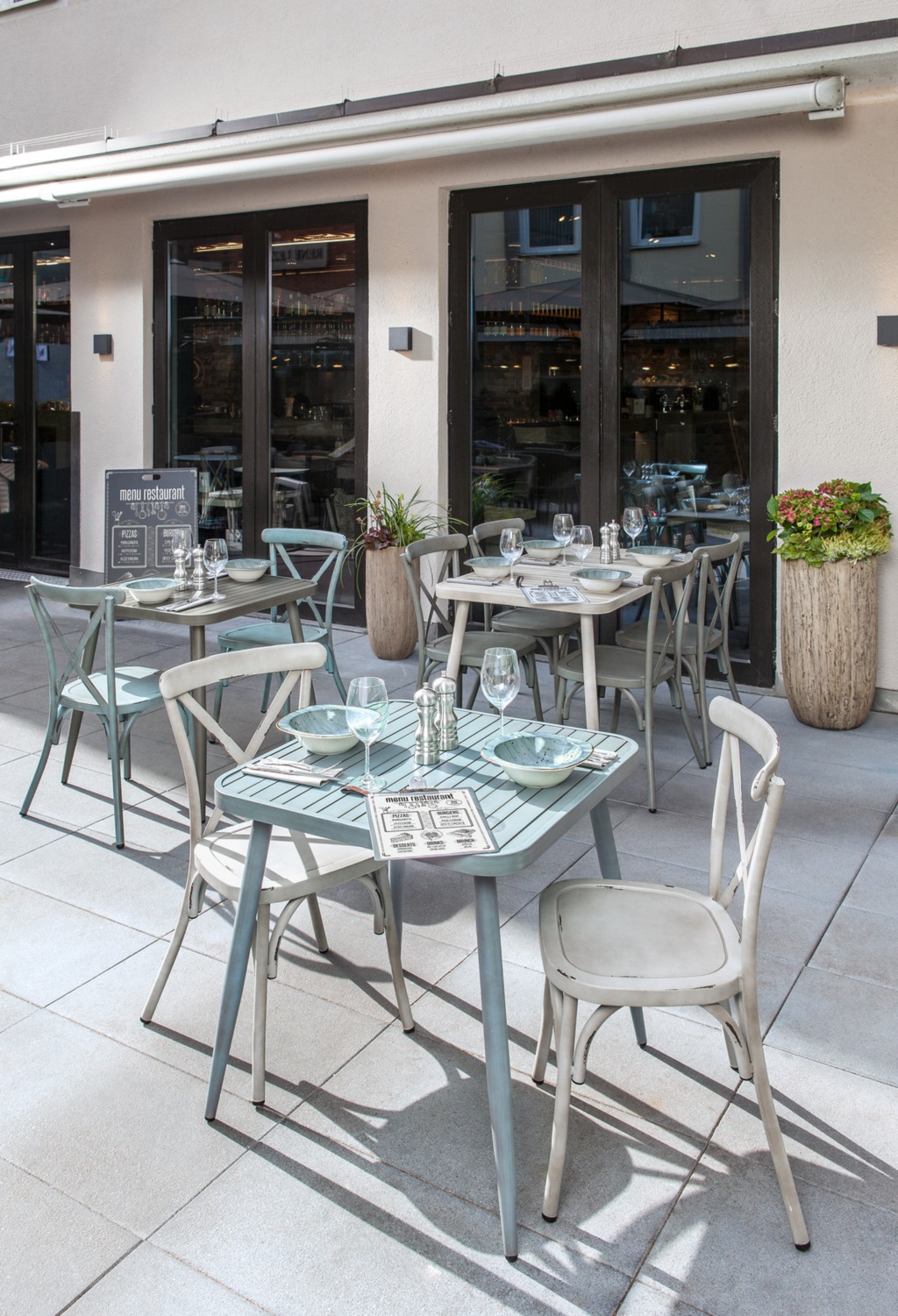
Why Aluminum Is the Smartest Choice for Commercial Outdoor Dining
When you run a restaurant, time is money. Your front-of-house team already has enough to do without scrubbing rust off chair legs or oiling tabletops. Aluminum furniture solves these operational headaches in ways other materials simply cannot.
Unmatched Weather Resistance
Aluminum is naturally rust-proof. Unlike wrought iron, which begins rusting within months of exposure to rain and coastal salt air, aluminum frames stay structurally sound for years with virtually no maintenance. Powder-coated aluminum resists UV rays, humidity, snow, and temperature extremes equally well.
Ultra-Lightweight for Layout Flexibility
One day you need a tight setup for a busy brunch service. The next day you are rearranging for a private evening event. Heavy iron or solid wood furniture turns reconfiguration into a chore that staff dreads. Aluminum is lightweight — often 50% lighter than steel — making it easy for any team member to move tables and stack chairs without risk of injury.
Long-Term Cost Efficiency
Commercial-grade aluminum furniture typically lasts 8 to 10 years with minimal upkeep. Compare that to synthetic rattan (2–4 years), wrought iron (4–6 years with constant rust removal), or solid teak (5–7 years with expensive annual oiling). Higher upfront quality means you replace furniture far less often, and you never pay for special cleaning products or refinishing services.
100% Recyclable and Sustainable
Eco-conscious diners notice when restaurants make responsible choices. Aluminum is infinitely recyclable without losing any of its structural integrity. When you eventually retire your furniture, every pound can be reclaimed and reused, helping you meet your sustainability commitments.
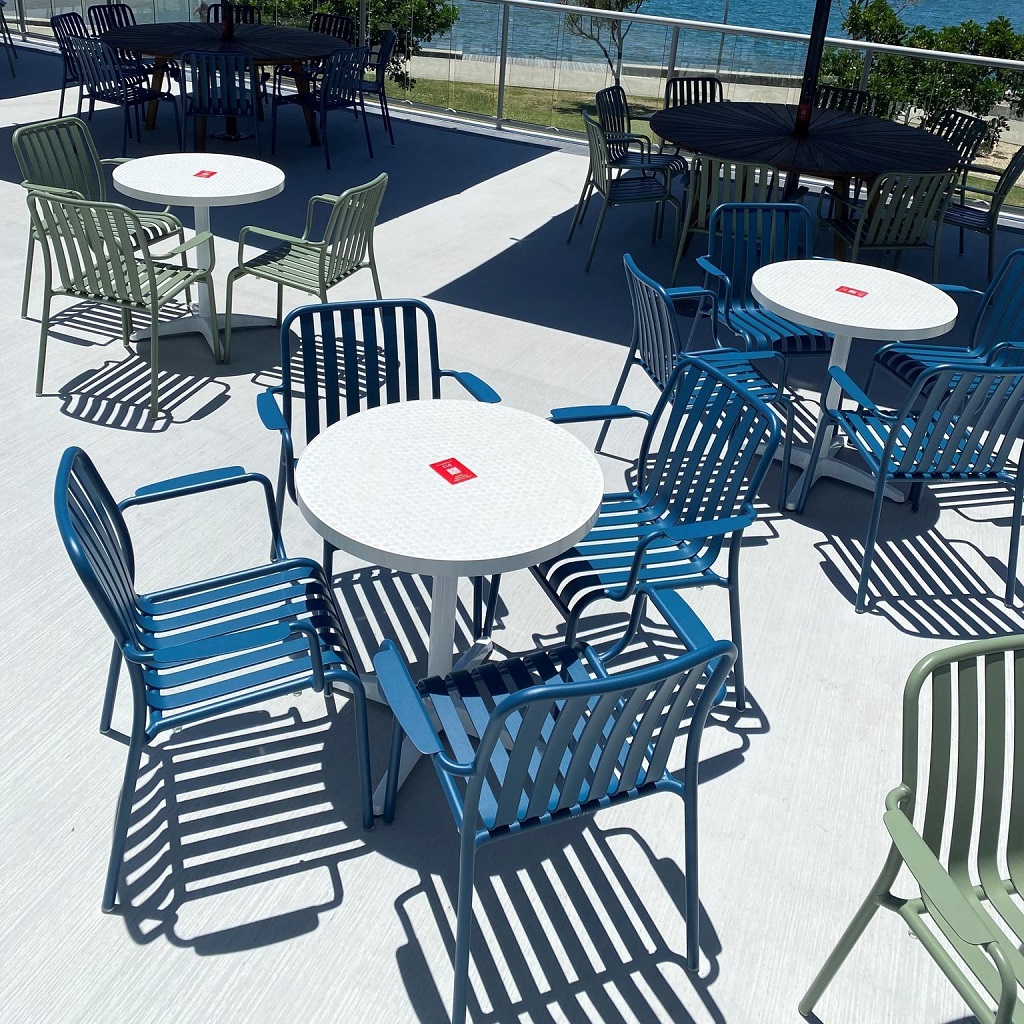
2025-2026 Trends: What’s Working on Restaurant Patios Right Now
The restaurant furniture industry is evolving fast, and staying current helps your patio feel fresh and desirable rather than dated and tired.
Mixed Materials Create Visual Depth
The single-material dining set is out. Intentional material mixing is in. Cast aluminum table bases paired with natural stone, ceramic tile, or wood-grain laminate tops add sophistication that a uniform set cannot achieve. Aluminum chairs in contrasting finishes — such as matte black chairs with a bronze table — deliver an upscale, curated look without mismatching.
Modular and Stackable Designs Dominate
In 2026, restaurants are prioritizing layouts that can transform from morning coffee service to evening cocktails in minutes. Lightweight, stackable aluminum chairs and modular table footprints make this possible without sacrificing density or style.
Round and Oval Tabletops Are Surging
Round and oval tables are gaining popularity for a simple reason: conversation. At a rectangular table, guests seated at opposite ends sit nearly 8 feet apart and cannot make eye contact. A 60-inch round table seats up to 8 people in a far more social configuration.
Darker Tones and Matte Finishes
Natural textures, matte finishes, and darker color palettes are dominating commercial patios in 2026. These choices hide daily wear and stains better than light glossy finishes, keeping your furniture looking fresh for longer.
“Instagrammable” Design Is No Longer Optional
Gen Z consumers actively seek out photogenic dining experiences to share on social media. When your furniture itself becomes a visual anchor — through minimalist lines, natural woven textures, or distinctive color accents — every customer who posts a photo becomes a free marketing channel for your restaurant. As one industry observer notes, outdoor furniture is no longer just a place to sit; it is “an emotional carrier and a traffic entry point”.
Aluminum vs. Other Patio Furniture Materials: A Data-Driven Comparison
| Material | Weather Resistance | Daily Maintenance | Service Life | Layout Flexibility | Best Use Case |
|---|---|---|---|---|---|
| Aluminum | Excellent (rust-proof, UV-stable) | Minimal (wipe with mild soap) | 8–10 years | Lightweight, modular, stackable | Coastal, humid, or all-season patios |
| Solid Teak | Good | High (monthly cleaning, annual oiling) | 5–7 years | Heavy, difficult to move | Classic, high-end concepts with fixed layouts |
| Wrought Iron | Poor (rust and paint chipping) | High (regular rust removal) | 4–6 years | Very heavy, fixed placement | Decorative accents only |
| Synthetic Rattan | Moderate (brittles in extreme temps) | Medium (deep cleaning required) | 2–4 years | Limited flexibility, fixed sizing | Casual bistros in mild climates |
| Powder-Coated Steel | Good (with proper coating) | Low | 5–8 years | Heavy | Industrial-style urban patios |
Design Tips for Creating a Restaurant Patio That Guests Love
Selecting the right furniture is only half the battle. How you arrange and style your outdoor space determines whether it becomes a destination or an afterthought.
Measure First, Then Buy
Start with your actual space dimensions, not with colors or styles. Measure your patio area, note fixed features like planters and building entrances, and map out walkways at least 36 inches wide for server traffic and ADA compliance. Good planning can add 10–20% more seats without making the area feel crowded.
Prioritize Comfort to Increase Dwell Time
Uncomfortable chairs drive guests away quickly, which directly reduces average check size. Commercial-grade aluminum chairs should include ergonomic back support and UV-resistant, quick-dry cushions. When guests are comfortable and relaxed, they stay longer, order more, and return more often.
Create Zones for Different Purposes
A successful outdoor patio serves multiple functions: morning coffee, weekday lunch, weekend brunch, evening cocktails, and private events. Use modular aluminum furniture to create distinct zones without permanent construction. A lounge area with lower seating, a dining zone with standard-height tables, and a bar area with counter-height tables give guests options and let you maximize revenue across all dayparts.
Add Shade and Weather Protection
Even the best aluminum furniture cannot compensate for a patio that is unbearable in midday sun. Invest in retractable awnings, UV-resistant pergolas, or large market umbrellas. In cooler months, infrared heaters or fire pits extend your outdoor dining season considerably.
Let Your Brand Identity Shine Through
Your outdoor space is an extension of your dining room. Align your furniture style with your brand — sleek black aluminum signals “modern and trendy,” while natural woven textures say “warm and inviting.” Consistency between indoor and outdoor spaces creates a seamless brand experience that customers remember and share.
How to Source Commercial-Grade Aluminum Furniture That Lasts
Not all aluminum furniture is created equal. When you are buying for a busy restaurant, residential-grade pieces — no matter how attractive the catalog photos — will fail within months.
Look for Commercial-Grade Certifications
Professional suppliers should be able to provide test reports that verify their furniture meets ASTM B117 (salt spray corrosion), ANSI/BIFMA (strength and durability), or EN 581 (outdoor safety) standards. Furniture that passes 2,000 hours of UV and humidity exposure without damage qualifies as true “outdoor commercial grade”.
Order Physical Samples, Do Not Trust Photos
This is non-negotiable. Request a full chair or table top sample, not just a small swatch. When the sample arrives, check frame thickness (commercial-grade aluminum should feel solid, not hollow), weld quality (smooth, consistent beads without sharp edges), powder-coat adhesion (scratch test a hidden area), and overall stability when a heavy person sits down.
Ask About Lead Times and Logistics
Custom finishes, fabrics, and sizes typically require 6 to 10 weeks for production, plus another 4 to 5 weeks for sea freight. Any supplier promising 45-day total delivery for custom commercial furniture is almost certainly cutting corners. Build realistic timelines into your renovation or opening schedule.
Verify the Supplier’s Track Record
Ask for references from restaurant projects completed in the last two years, ideally in your country or region. A legitimate supplier will have no trouble naming past customers or sharing redacted project invoices. Be cautious with any supplier who cannot provide verifiable proof of their commercial hospitality experience.
Your Path to a Profitable Outdoor Dining Space
Your patio has the potential to be one of the most profitable square footages in your entire restaurant. But only if you furnish it with commercial-grade aluminum chairs and tables designed to withstand daily use, changing weather, and constant rearranging while still looking beautiful for years to come.
The right furniture does more than hold people up. It tells your brand story, keeps guests comfortable (and ordering), reduces staff workload, and protects your bottom line by eliminating frequent replacements.
At CDG Furniture Group, we specialize in manufacturing commercial-grade aluminum dining furniture for restaurants, hotels, and hospitality venues worldwide. Every piece is built with heavy-gauge aluminum frames, premium powder-coated finishes that resist UV fading and corrosion, and thoughtful design features that make daily operations easier — from stackable chairs to custom sizing options that fit your unique layout perfectly.
Ready to Upgrade Your Restaurant’s Outdoor Dining?
Your next step is simple. Contact our team today to discuss your patio layout, your climate conditions, and your brand aesthetic. We will help you select the perfect aluminum chairs and tables for your space, provide a detailed quote with transparent lead times, and arrange sample shipments so you can see and touch the quality before you commit.
Don’t let worn, dated, or unsuitable furniture hold your restaurant back. With the right commercial aluminum furniture, your outdoor dining area becomes not just extra seating, but a true destination that drives repeat visits, social media buzz, and higher revenue year after year.