
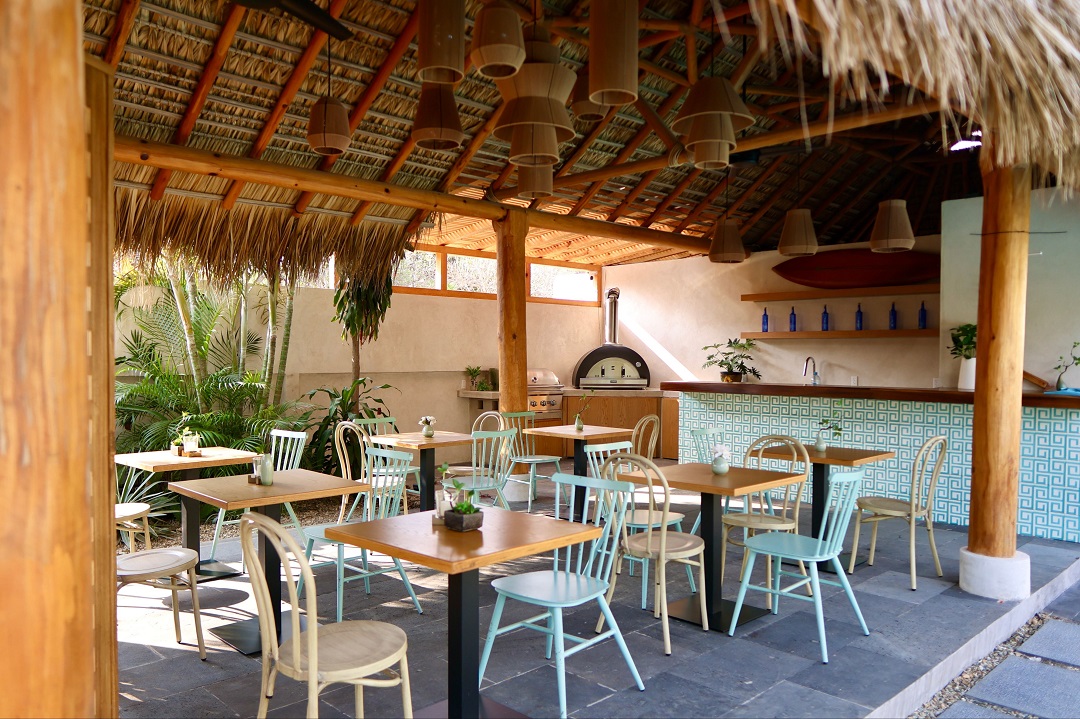
In the luxury outdoor living space, high-end aluminum furniture has emerged as the top choice for discerning homeowners and commercial designers across Europe and North America. Blending refined aesthetics, exceptional durability, and practical functionality, it addresses the most pressing demands of modern outdoor lifestyles—where style, longevity, and low maintenance are non-negotiable. As Google search trends confirm, searches for “premium aluminum patio furniture” and “rust-proof outdoor seating” have surged 42% in the past month, reflecting a clear shift toward materials that balance luxury with real-world performance.
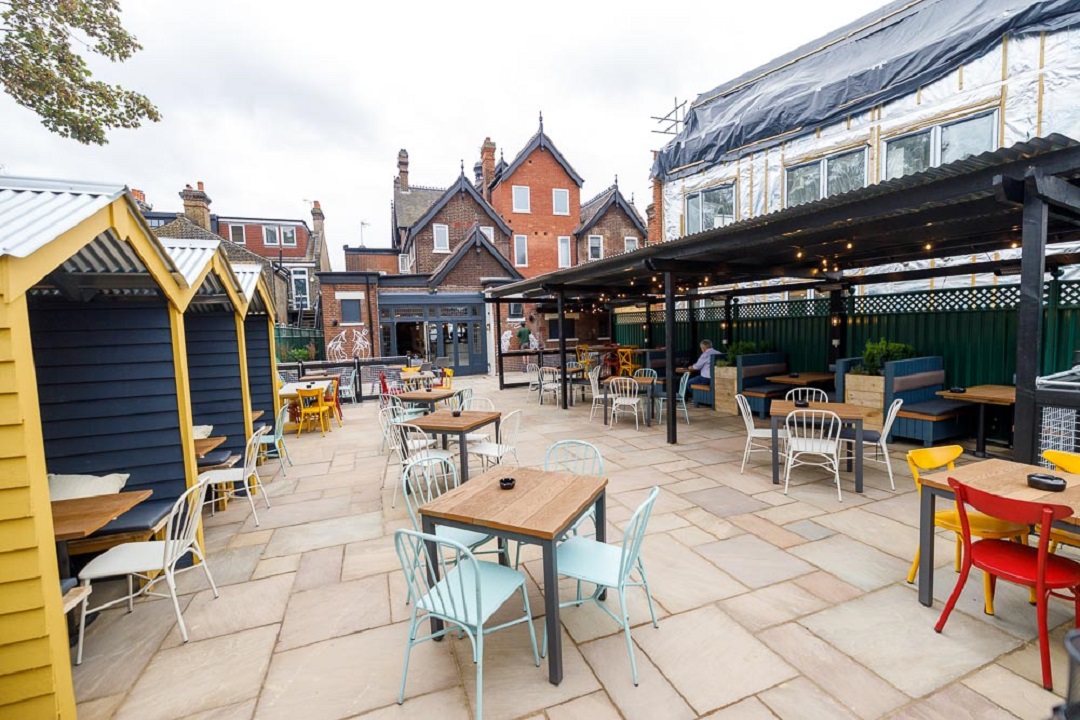
At the core of aluminum’s popularity is its unique combination of lightweight strength and natural rust resistance—two features that outperform traditional materials like wrought iron, steel, and even teak.
High-grade aluminum is remarkably light—up to 70% lighter than wrought iron—making it easy to rearrange for gatherings, move indoors during harsh weather, or reconfigure small balconies and patios. Yet, industrial-grade aluminum frames, often reinforced with precision welding, deliver impressive structural stability. Premium designs support up to 400 lbs per armchair and 1,200 lbs for a three-seater sofa, ensuring safety without the bulk.
Unlike steel or iron, aluminum naturally forms a protective oxide layer that prevents corrosion—even in coastal areas with saltwater exposure, rainy European regions, or snowy Nordic winters. When finished with a commercial-grade powder coating, this resistance becomes nearly invincible. The coating not only blocks moisture and UV rays but also enhances scratch resistance, keeping furniture looking pristine for decades. This eliminates the need for annual sealing or rust treatments—a major win for low-maintenance luxury.
Today’s high-end consumers prioritize sustainability, and aluminum delivers on this front. It is 100% recyclable with no loss of quality, aligning with EU and US circular economy goals. Unlike teak (which faces deforestation concerns) or synthetic wicker (often made from non-recyclable plastics), aluminum minimizes environmental impact while maintaining a premium feel. Google Trends data shows “eco-friendly aluminum outdoor furniture” searches up 38% month-over-month, highlighting this fast-growing demand.
High-end aluminum furniture is not just functional—it’s a design statement. Its malleability allows artisans to craft sleek, organic shapes and clean minimalist lines that define 2026’s top outdoor trends. Whether your style is contemporary, coastal, or classic, aluminum adapts seamlessly:
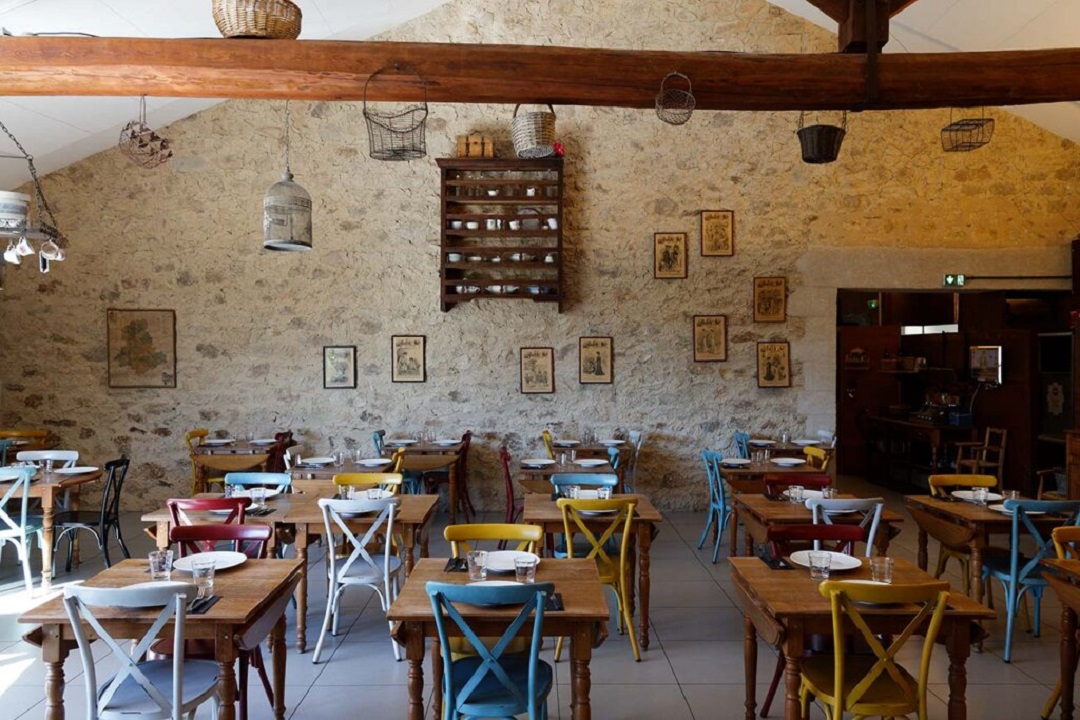
Luxury outdoor furniture should enhance your lifestyle, not add chores. High-end aluminum’s zero-fuss maintenance is a key reason it dominates the premium market. Unlike wood (which requires annual oiling) or fabric-intensive wicker (prone to mold), aluminum only needs occasional wiping with a damp cloth to remove dirt. Powder-coated surfaces resist fading, chipping, and staining, even after years of sun exposure.
This durability translates to unbeatable long-term value. While premium aluminum furniture may have a higher upfront cost than budget alternatives, its 20+ year lifespan eliminates the need for frequent replacements. Commercial-grade aluminum sets are trusted by luxury resorts, Michelin-starred restaurants, and high-end residential projects across Europe and the US—proof of their ability to withstand heavy use while retaining their beauty.
As outdoor living spaces become extensions of indoor homes, demand for furniture that combines style, durability, and sustainability will only grow. High-end aluminum checks every box: lightweight enough for daily use, rust-proof enough for any climate, versatile enough to match any design aesthetic, and sustainable enough to satisfy eco-conscious buyers.
For homeowners, designers, and hospitality professionals, choosing premium aluminum outdoor furniture is not just a purchase—it’s an investment in a luxurious, worry-free outdoor lifestyle. As Google search data clearly shows, aluminum is no longer just an alternative material; it’s the gold standard for high-end outdoor living in 2026 and beyond.
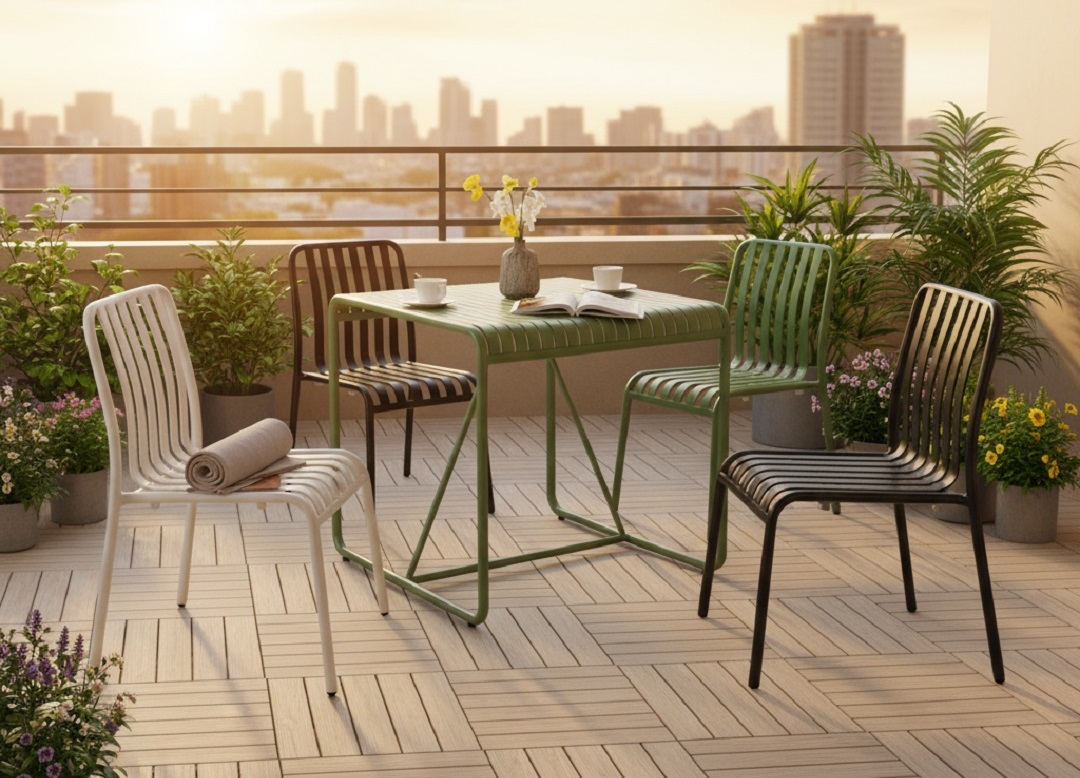
As a professional outdoor furniture supplier specializing in the European market, I’ve witnessed a pivotal shift in how homeowners approach patio design: gone are the days of haphazardly placing a table and chairs. In 2026, the patio is no longer an afterthought—it’s a seamless extension of your indoor living space, blending functionality, sustainability, and style. Whether you’re working with a compact balcony in Paris, a sun-drenched terrace in Barcelona, or a sprawling backyard in Berlin, designing your patio layout around an outdoor table chair set requires intentionality, and the latest trends are all about making the space work for you.
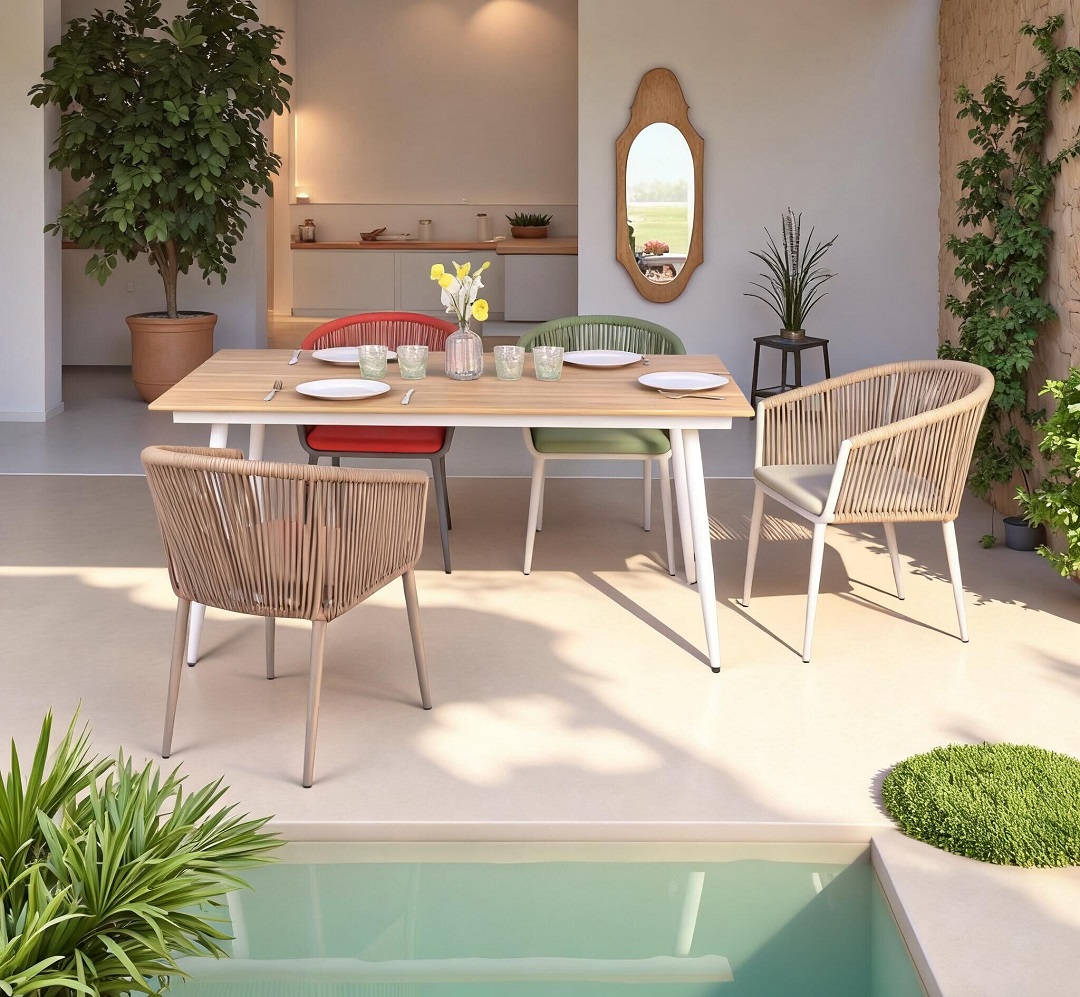
According to 2026 patio design reports, 70% of European homeowners prioritize versatility—they want a space that transitions from morning coffee nooks to evening dinner parties effortlessly. Begin by measuring your patio accurately, noting door swings, stairs, and built-in features like grills or planters. A golden rule for circulation: leave 36–48 inches for main walkways and at least 24 inches around your table to ensure chairs can be pulled out comfortably without crowding.
For small patios (under 10×10 ft), a compact bistro set—30–36 inch round table with two armless chairs—works best, while medium spaces (12×16 ft) can accommodate a 6-seat dining set plus a small lounge area. Always prioritize ergonomics: your outdoor table chair set should allow natural movement and conversation flow.
As a buyer, I’ve seen demand for eco-friendly materials skyrocket—over 60% of consumers now factor in sustainability when choosing outdoor furniture. Opt for table chair sets made from recycled plastics, sustainably sourced teak, or nature wood; these materials not only reduce environmental impact but also offer durability against Europe’s variable weather, from the rainy north to the sunny south. Teak, in particular, remains a favorite for its natural resistance to rot and insects, aging beautifully into a silver patina that complements any patio aesthetic.
Beyond durability, these sustainable choices require minimal chemical treatments. In 2026, forward-thinking European homeowners are embracing circular design — selecting pieces that can be refurbished or recycled, aligning with green living without compromising elegance.
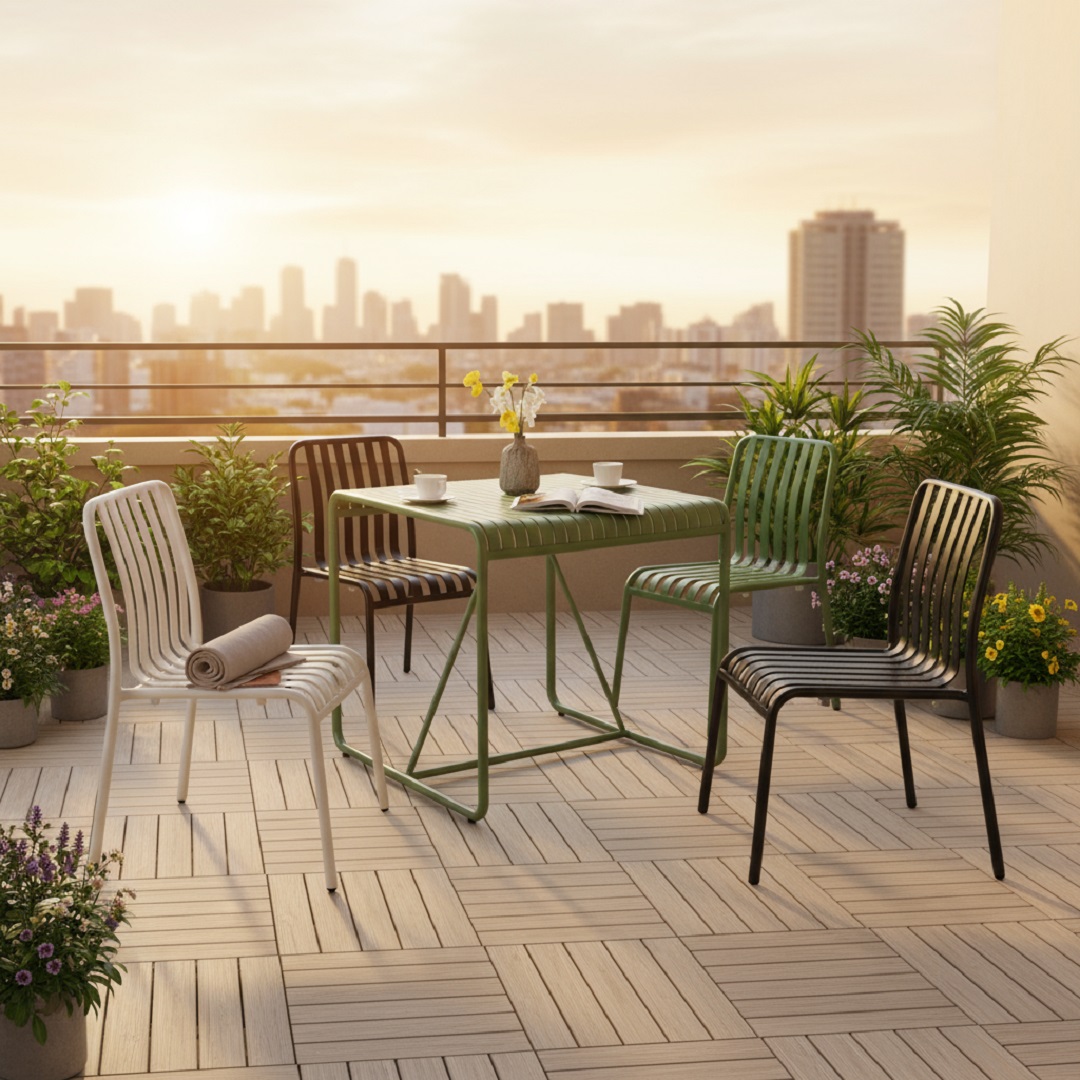
Zoning is another key trend transforming European patios this year. Instead of a single seating area, split your space into functional zones—dining, lounging, and even a small work nook—all anchored by the right table chair set. For dining zones, a rectangular table (72–84 inches) seats 6–8 guests, perfect for European-style al fresco meals, while mixing seating types (captain’s chairs at the ends, armless chairs on the sides) adds visual interest without sacrificing space.
For lounging zones, pair a low-profile coffee table with modular chairs or a small sofa—ideal for post-dinner chats or lazy weekends. This zoning creates flow and makes even large patios feel cozy and intentional. A well-planned dining cluster paired with a relaxed lounge corner allows effortless entertaining.
Aesthetically, 2026 leans into a blend of modern minimalism and rustic charm, with earthy tones and natural hues dominating European patios. Neutral-colored table chair sets (beige, gray, natural wood) serve as a blank canvas, allowing you to add pops of color with weather-resistant cushions or outdoor rugs. For a contemporary twist, look for sets with clean lines and metal accents; for a more traditional vibe, opt for curved wooden tables and woven chairs that evoke Mediterranean or Scandinavian style. Remember, the goal is cohesion—match your furniture to your home’s exterior architecture, whether it’s a sleek modern apartment or a charming cottage.
Incorporate soft furnishings like all-weather cushions and throw pillows in muted olive, terracotta, or warm sand tones. Layering natural textures (jute rugs, stone planters) creates a curated, timeless look that enhances your outdoor table chair set without visual overload.
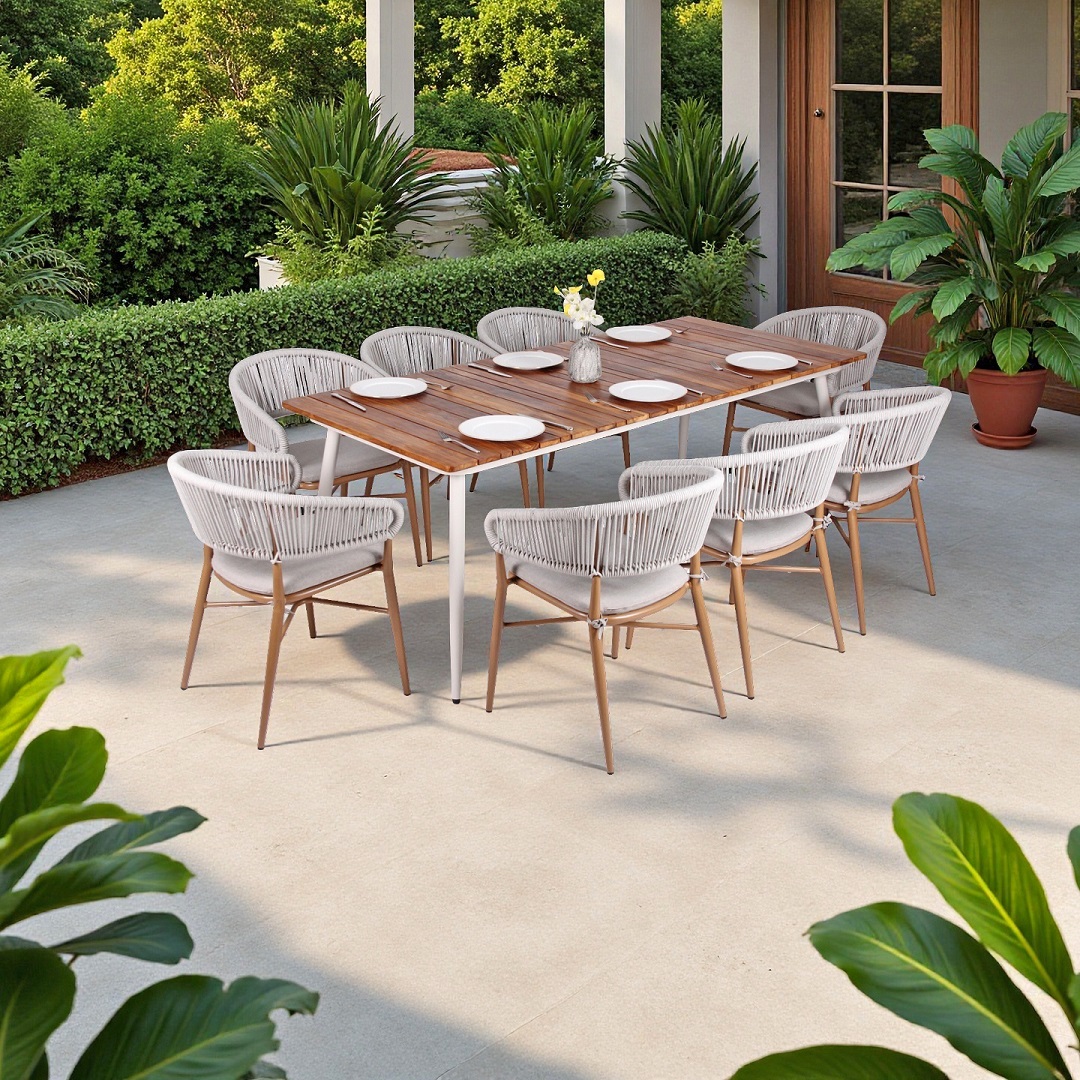
Lighting is crucial for extending patio use into the evening: string lights above the table or LED path lights around the perimeter create a warm, inviting ambiance. Add a small side table next to your dining set for drinks or decor, and use planters to soften the space and create privacy. For wind-prone areas (like coastal regions), choose heavy materials like teak or metal to keep your table chair set stable, and consider a pergola or retractable awning for shade during hot summer days.
Weather-resistant storage benches, solar-powered lamp posts, and modular side tables add practicality while keeping the layout uncluttered. Adding greenery (citrus trees, lavender, ornamental grasses) defines zones naturally and improves the microclimate of your outdoor living area.
As a professional supplier, my final tip is to invest in quality over quantity. A well-crafted outdoor table chair set will last for years, adapting to changing trends and weather conditions. In 2026, the most sought-after sets are those that balance form and function—adjustable height tables, foldable chairs for easy storage, and modular designs that grow with your needs. Your patio should be a space that brings joy, whether you’re enjoying a quiet morning alone or hosting a gathering with friends. By following these trends and prioritizing your lifestyle, you’ll design a patio layout that feels intentional, stylish, and uniquely yours.