
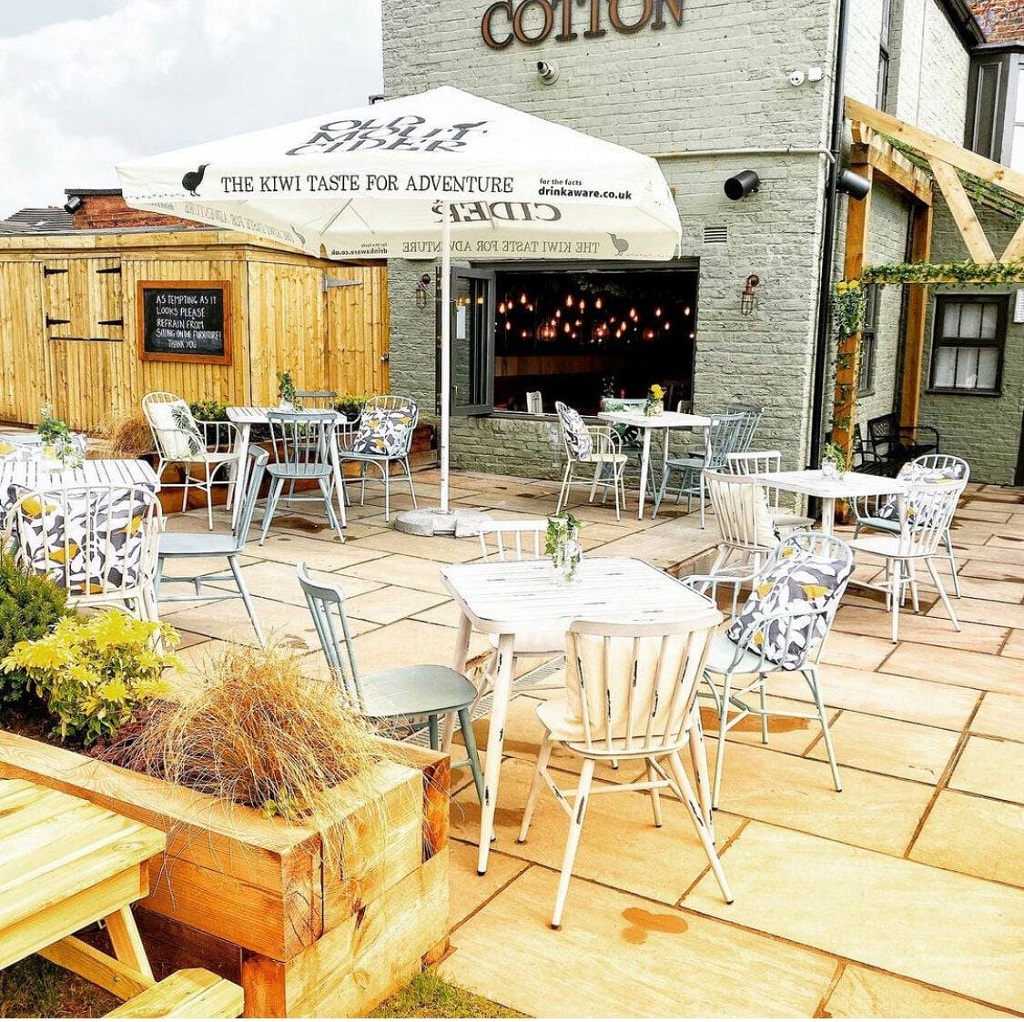
If you own or manage a restaurant, you have already noticed the shift. Outdoor dining is no longer a seasonal add-on. It is now a core part of the dining experience, a major revenue driver, and often the first thing potential customers see when they walk by. In fact, studies from the National Restaurant Association indicate that 35% of restaurant owners report an average 40% increase in daily sales after adding a well-designed outdoor patio.
But here is the hard truth: your outdoor furniture can either elevate your brand and attract loyal, high-value customers, or it can ruin the guest experience and drain your maintenance budget. Wobbly chairs, peeling finishes, and rust spots send a clear message about your establishment, and it is not a good one.
This is precisely why more and more restaurant operators worldwide are switching to aluminum chairs and tables for restaurant outdoor dining. In 2026, aluminum has become the go-to commercial material for patios in every climate, from humid coastal cafes to snowy mountain bistros. But why is this shift happening so rapidly? What makes aluminum truly superior to wood, wrought iron, or plastic for a busy commercial setting? And most importantly, how can you choose the right pieces to maximize your ROI? This comprehensive guide answers all those questions — and helps you make a smart investment that keeps guests coming back.
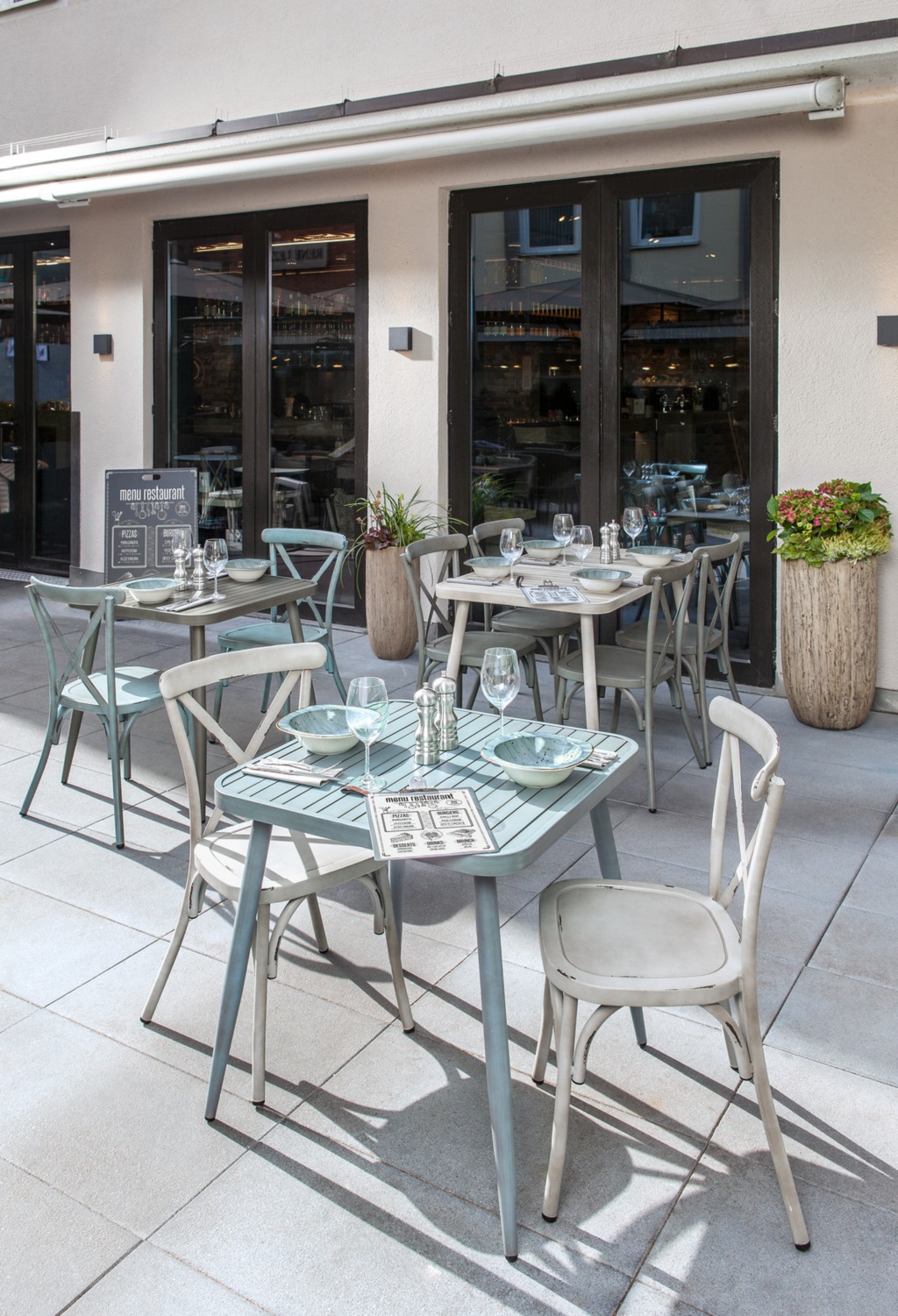
When you run a restaurant, time is money. Your front-of-house team already has enough to do without scrubbing rust off chair legs or oiling tabletops. Aluminum furniture solves these operational headaches in ways other materials simply cannot.
Aluminum is naturally rust-proof. Unlike wrought iron, which begins rusting within months of exposure to rain and coastal salt air, aluminum frames stay structurally sound for years with virtually no maintenance. Powder-coated aluminum resists UV rays, humidity, snow, and temperature extremes equally well.
One day you need a tight setup for a busy brunch service. The next day you are rearranging for a private evening event. Heavy iron or solid wood furniture turns reconfiguration into a chore that staff dreads. Aluminum is lightweight — often 50% lighter than steel — making it easy for any team member to move tables and stack chairs without risk of injury.
Commercial-grade aluminum furniture typically lasts 8 to 10 years with minimal upkeep. Compare that to synthetic rattan (2–4 years), wrought iron (4–6 years with constant rust removal), or solid teak (5–7 years with expensive annual oiling). Higher upfront quality means you replace furniture far less often, and you never pay for special cleaning products or refinishing services.
Eco-conscious diners notice when restaurants make responsible choices. Aluminum is infinitely recyclable without losing any of its structural integrity. When you eventually retire your furniture, every pound can be reclaimed and reused, helping you meet your sustainability commitments.
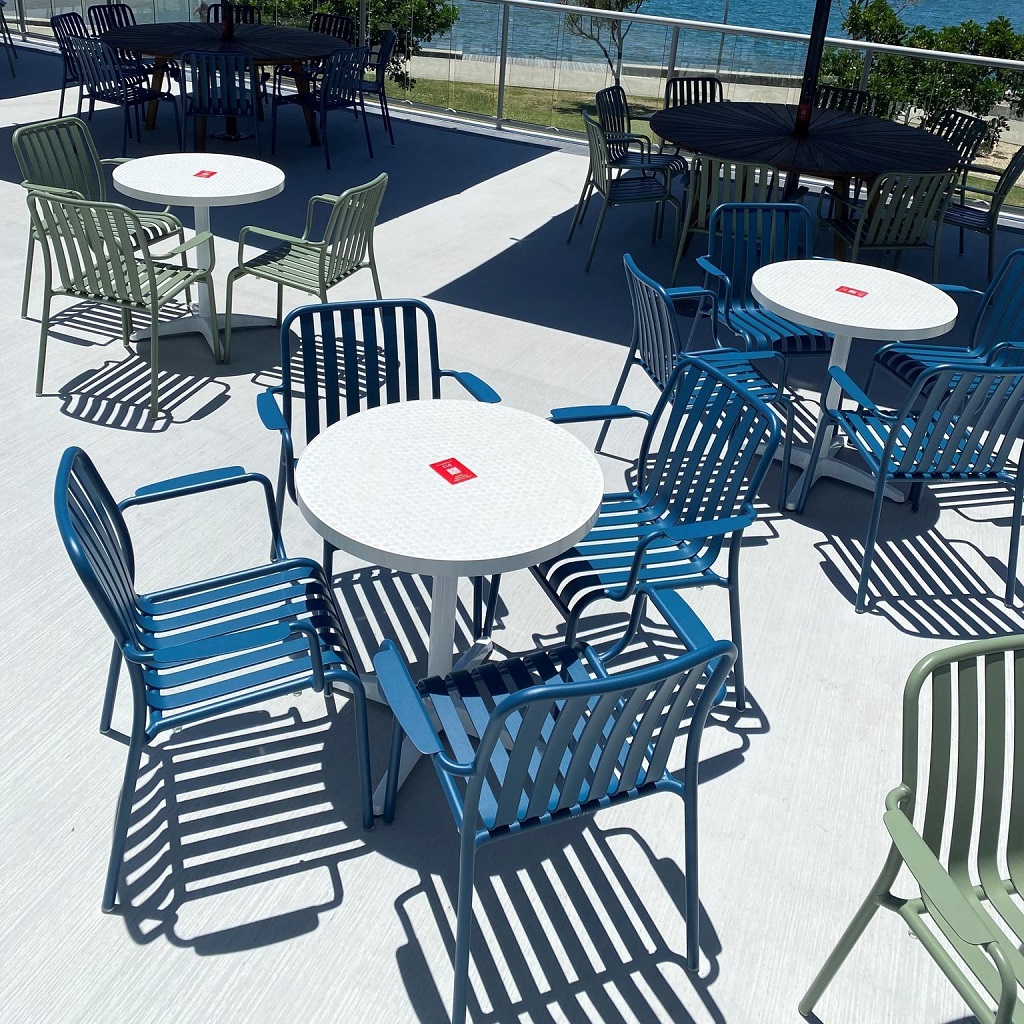
The restaurant furniture industry is evolving fast, and staying current helps your patio feel fresh and desirable rather than dated and tired.
The single-material dining set is out. Intentional material mixing is in. Cast aluminum table bases paired with natural stone, ceramic tile, or wood-grain laminate tops add sophistication that a uniform set cannot achieve. Aluminum chairs in contrasting finishes — such as matte black chairs with a bronze table — deliver an upscale, curated look without mismatching.
In 2026, restaurants are prioritizing layouts that can transform from morning coffee service to evening cocktails in minutes. Lightweight, stackable aluminum chairs and modular table footprints make this possible without sacrificing density or style.
Round and oval tables are gaining popularity for a simple reason: conversation. At a rectangular table, guests seated at opposite ends sit nearly 8 feet apart and cannot make eye contact. A 60-inch round table seats up to 8 people in a far more social configuration.
Natural textures, matte finishes, and darker color palettes are dominating commercial patios in 2026. These choices hide daily wear and stains better than light glossy finishes, keeping your furniture looking fresh for longer.
Gen Z consumers actively seek out photogenic dining experiences to share on social media. When your furniture itself becomes a visual anchor — through minimalist lines, natural woven textures, or distinctive color accents — every customer who posts a photo becomes a free marketing channel for your restaurant. As one industry observer notes, outdoor furniture is no longer just a place to sit; it is “an emotional carrier and a traffic entry point”.
| Material | Weather Resistance | Daily Maintenance | Service Life | Layout Flexibility | Best Use Case |
|---|---|---|---|---|---|
| Aluminum | Excellent (rust-proof, UV-stable) | Minimal (wipe with mild soap) | 8–10 years | Lightweight, modular, stackable | Coastal, humid, or all-season patios |
| Solid Teak | Good | High (monthly cleaning, annual oiling) | 5–7 years | Heavy, difficult to move | Classic, high-end concepts with fixed layouts |
| Wrought Iron | Poor (rust and paint chipping) | High (regular rust removal) | 4–6 years | Very heavy, fixed placement | Decorative accents only |
| Synthetic Rattan | Moderate (brittles in extreme temps) | Medium (deep cleaning required) | 2–4 years | Limited flexibility, fixed sizing | Casual bistros in mild climates |
| Powder-Coated Steel | Good (with proper coating) | Low | 5–8 years | Heavy | Industrial-style urban patios |
Selecting the right furniture is only half the battle. How you arrange and style your outdoor space determines whether it becomes a destination or an afterthought.
Start with your actual space dimensions, not with colors or styles. Measure your patio area, note fixed features like planters and building entrances, and map out walkways at least 36 inches wide for server traffic and ADA compliance. Good planning can add 10–20% more seats without making the area feel crowded.
Uncomfortable chairs drive guests away quickly, which directly reduces average check size. Commercial-grade aluminum chairs should include ergonomic back support and UV-resistant, quick-dry cushions. When guests are comfortable and relaxed, they stay longer, order more, and return more often.
A successful outdoor patio serves multiple functions: morning coffee, weekday lunch, weekend brunch, evening cocktails, and private events. Use modular aluminum furniture to create distinct zones without permanent construction. A lounge area with lower seating, a dining zone with standard-height tables, and a bar area with counter-height tables give guests options and let you maximize revenue across all dayparts.
Even the best aluminum furniture cannot compensate for a patio that is unbearable in midday sun. Invest in retractable awnings, UV-resistant pergolas, or large market umbrellas. In cooler months, infrared heaters or fire pits extend your outdoor dining season considerably.
Your outdoor space is an extension of your dining room. Align your furniture style with your brand — sleek black aluminum signals “modern and trendy,” while natural woven textures say “warm and inviting.” Consistency between indoor and outdoor spaces creates a seamless brand experience that customers remember and share.
Not all aluminum furniture is created equal. When you are buying for a busy restaurant, residential-grade pieces — no matter how attractive the catalog photos — will fail within months.
Professional suppliers should be able to provide test reports that verify their furniture meets ASTM B117 (salt spray corrosion), ANSI/BIFMA (strength and durability), or EN 581 (outdoor safety) standards. Furniture that passes 2,000 hours of UV and humidity exposure without damage qualifies as true “outdoor commercial grade”.
This is non-negotiable. Request a full chair or table top sample, not just a small swatch. When the sample arrives, check frame thickness (commercial-grade aluminum should feel solid, not hollow), weld quality (smooth, consistent beads without sharp edges), powder-coat adhesion (scratch test a hidden area), and overall stability when a heavy person sits down.
Custom finishes, fabrics, and sizes typically require 6 to 10 weeks for production, plus another 4 to 5 weeks for sea freight. Any supplier promising 45-day total delivery for custom commercial furniture is almost certainly cutting corners. Build realistic timelines into your renovation or opening schedule.
Ask for references from restaurant projects completed in the last two years, ideally in your country or region. A legitimate supplier will have no trouble naming past customers or sharing redacted project invoices. Be cautious with any supplier who cannot provide verifiable proof of their commercial hospitality experience.
Your patio has the potential to be one of the most profitable square footages in your entire restaurant. But only if you furnish it with commercial-grade aluminum chairs and tables designed to withstand daily use, changing weather, and constant rearranging while still looking beautiful for years to come.
The right furniture does more than hold people up. It tells your brand story, keeps guests comfortable (and ordering), reduces staff workload, and protects your bottom line by eliminating frequent replacements.
At CDG Furniture Group, we specialize in manufacturing commercial-grade aluminum dining furniture for restaurants, hotels, and hospitality venues worldwide. Every piece is built with heavy-gauge aluminum frames, premium powder-coated finishes that resist UV fading and corrosion, and thoughtful design features that make daily operations easier — from stackable chairs to custom sizing options that fit your unique layout perfectly.
Your next step is simple. Contact our team today to discuss your patio layout, your climate conditions, and your brand aesthetic. We will help you select the perfect aluminum chairs and tables for your space, provide a detailed quote with transparent lead times, and arrange sample shipments so you can see and touch the quality before you commit.
Don’t let worn, dated, or unsuitable furniture hold your restaurant back. With the right commercial aluminum furniture, your outdoor dining area becomes not just extra seating, but a true destination that drives repeat visits, social media buzz, and higher revenue year after year.
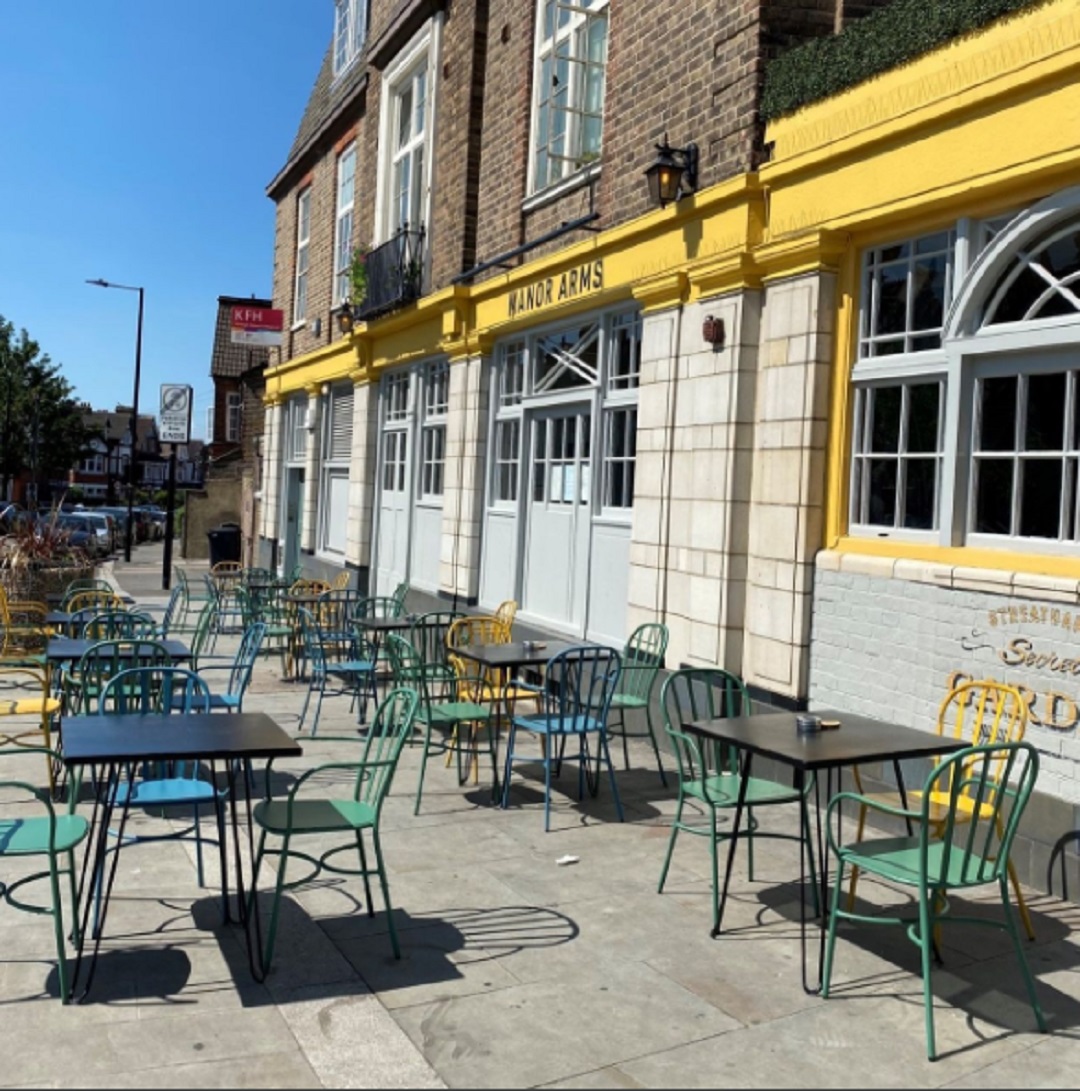
Commercial-grade outdoor dining solutions engineered for the world’s hottest climates
For restaurant owners, café operators, and hospitality managers worldwide, extreme heat is one of the biggest silent threats to outdoor and semi-outdoor dining spaces. In tropical climates, desert regions, and summer peak seasons, traditional restaurant furniture faces severe heat-related issues: wooden tables warp and crack under continuous high temperatures, plastic chairs fade, become brittle or deform, and iron furniture rusts rapidly under sun exposure and humid heat. These problems lead to frequent furniture replacement, increased operational costs, degraded customer dining experience, and damaged brand reputation.
As global temperatures rise and al fresco dining becomes a permanent mainstream trend, investing in heat-resistant restaurant aluminium furniture is no longer an option but a necessary upgrade for sustainable restaurant operation.
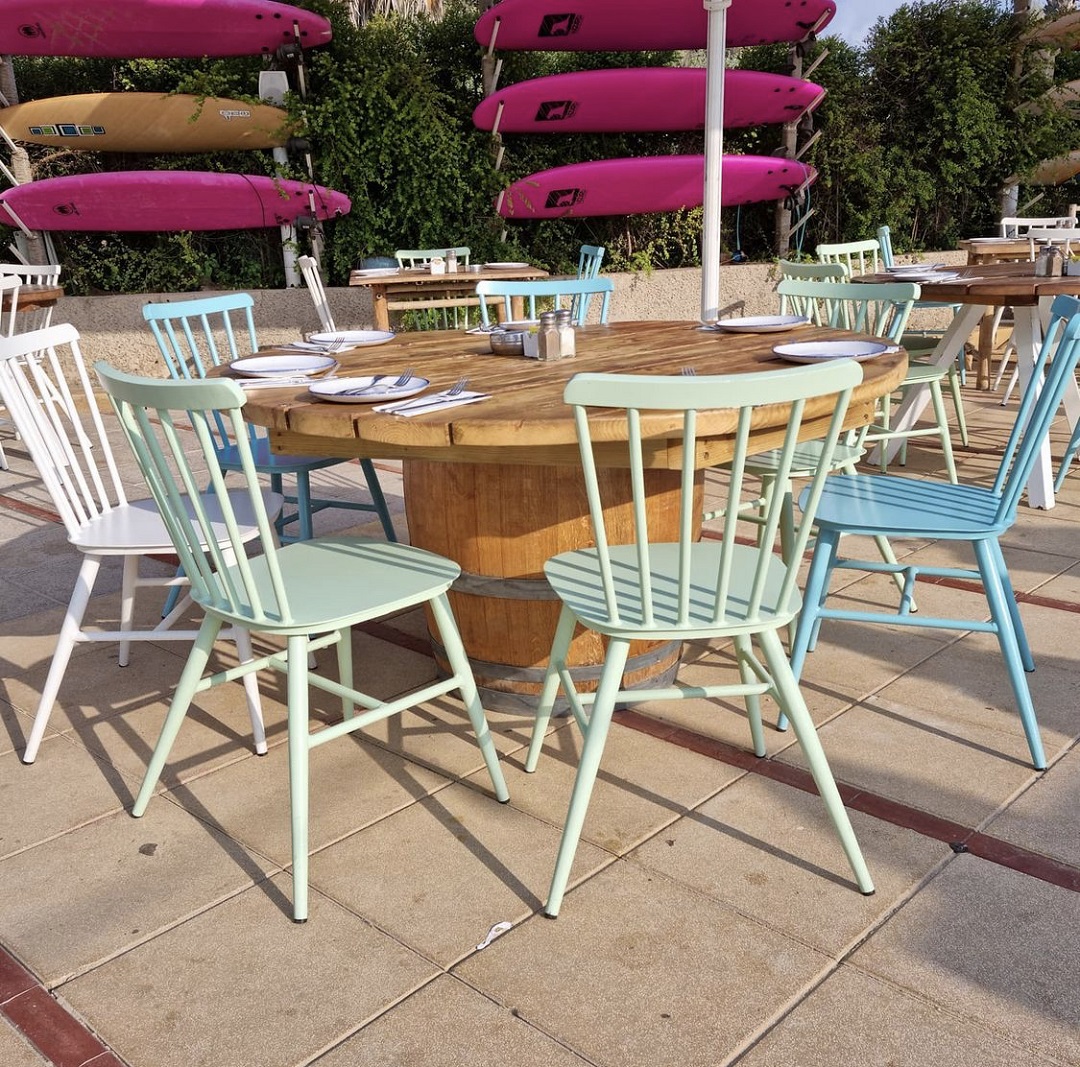
Commercial restaurant furniture bears far greater usage pressure than residential furniture, with long-term exposure to direct sunlight, high temperature, and frequent customer contact. Most conventional materials fail to adapt to extreme heat environments, bringing multiple operational troubles for restaurant operators:
High temperature accelerates moisture loss, causing warping, cracking, and loose joints. Long-term UV exposure leads to fading and mold growth in hot humid weather, requiring quarterly maintenance and regular replacement.
Prone to thermal deformation, surface blistering, and color fading under extreme heat. Low-temperature brittleness after high-temperature aging shortens service life drastically, and cheap plastic products also produce peculiar odors in hot weather.
High temperature and hot humidity trigger oxidation and rust. Rust stains contaminate tableware and customer clothing, and rough rust surfaces cause safety hazards, greatly reducing venue grade.
Traditional natural rattan dries out and breaks in extreme heat, while ordinary synthetic wicker cracks and peels after long-term sun exposure, unable to support long-term commercial use.
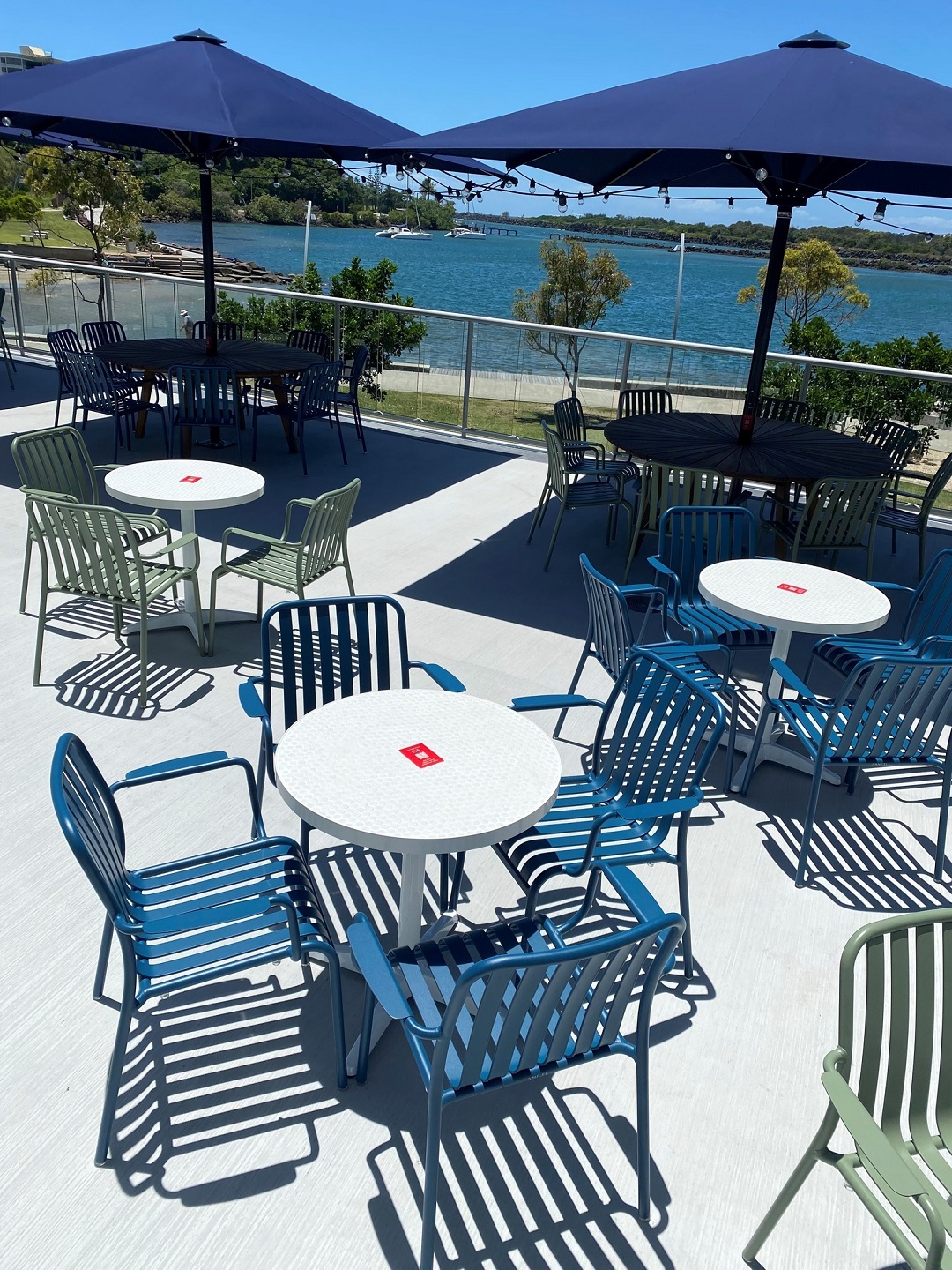
Aluminium is recognized as the most ideal metal material for outdoor commercial catering furniture. Combined with CDG Furniture’s exclusive industrial-grade craftsmanship, our aluminium dining sets perfectly solve all pain points of furniture failure in extreme high-temperature environments.
Aluminium features a high melting point and stable physical properties, with no deformation, cracking or structural loosening under long-term extreme heat exposure. Unlike plastic and wood that fail rapidly in high temperatures, CDG’s thickened aluminium alloy frames maintain complete structural rigidity even under continuous direct sunlight and high-temperature weather.
A common misunderstanding is that all metal furniture overheats in the sun. In fact, aluminium has far superior heat dissipation efficiency than iron and steel. CDG further optimizes the heat-resistant performance of furniture with professional upgrades. The final product achieves a cool-to-touch effect under direct sunlight, completely solving the core pain point that ordinary metal furniture is too hot to use in summer.
CDG restaurant aluminium furniture adopts outdoor-grade anti-UV powder coating treatment. The high-adhesion protective film tightly covers the aluminium surface, effectively resisting ultraviolet erosion and high-temperature oxidation. Even after years of outdoor exposure in tropical, subtropical and desert high-temperature areas, the furniture remains bright in color, no peeling, no fading, and no yellowing.
Aluminium itself can form a dense natural oxide layer to isolate air and moisture. On this basis, CDG’s multi-layer anti-corrosion process further enhances the ability to resist hot and humid corrosion. Whether it is seaside restaurants with high salt spray, tropical rainy and hot areas, or dry desert high-temperature environments, our aluminium furniture never rusts or corrodes.
CDG extreme heat-resistant aluminium furniture requires almost no daily maintenance. No need for regular painting, anti-rust treatment or moisture-proof care. Just daily wiping can keep it clean and new. Compared with traditional furniture that needs seasonal maintenance and annual replacement, our products extend the service life to more than 10 years.
Aluminium has an excellent strength-to-weight ratio, which is lighter than iron and steel but stronger in structural stability. CDG commercial aluminium restaurant chairs and tables support super static load-bearing capacity, meeting the high-frequency use of commercial catering scenarios.
CDG heat-resistant aluminium restaurant furniture is tailor-made for global commercial catering high-temperature scenarios, widely applicable to various venue types that need long-term outdoor and semi-outdoor layout:
| Furniture Material | Extreme Heat Resistance | UV & Fade Resistance | Rust & Corrosion Resistance | Maintenance Cost | Commercial Service Life |
|---|---|---|---|---|---|
| CDG Aluminium Furniture | Excellent, no deformation & damage | Strong, long-term color stable | Zero rust, anti hot-humid corrosion | Ultra-low, daily wiping only | 10+ years |
| Wood Furniture | Poor, easy to crack & warp | Weak, easy to fade & age | Poor, easy to mold & rot | High, seasonal maintenance needed | 2–3 years |
| Plastic Furniture | Very poor, thermal deformation & brittleness | Very weak, fast fading & yellowing | Medium, easy aging damage | Low but frequent replacement | 1–2 years |
| Iron/Steel Furniture | Medium, no deformation but hot surface | Medium, easy to paint peel off | Very poor, easy to rust severely | High, regular anti-rust treatment | 3–5 years |
As a professional global commercial furniture manufacturer focusing on catering and hospitality scenarios, CDG Furniture Group has long served restaurant owners, hotel operators and catering project contractors from Europe, America, Southeast Asia, the Middle East, Africa and other high-temperature regions. We deeply understand the extreme weather challenges faced by global catering venues and customize commercial-grade heat-resistant aluminium furniture solutions for customers.
All our products undergo strict high-temperature aging tests, UV resistance tests and hot-humid corrosion tests to ensure stable performance in extreme environments. We support customized sizes, color customization, logo printing and overall venue furniture matching services, helping catering brands create unified, high-end and durable dining space layouts. With factory direct sales, stable supply chain and reliable after-sales service, we help customers reduce procurement costs and avoid repeated investment losses caused by unqualified furniture.
Extreme heat is no longer a seasonal problem for restaurants, but a long-term operational challenge. Choosing inferior furniture will only bring continuous hidden costs and experience losses to your catering business. Heat-resistant restaurant aluminium furniture is the most cost-effective and reliable long-term solution for outdoor dining spaces.
If you are a restaurant owner, café operator or catering project manager looking for durable, low-maintenance and extreme weather-proof commercial furniture, CDG Furniture Group has your ideal solution. We provide free product catalogs, customized design solutions and wholesale quotation services.
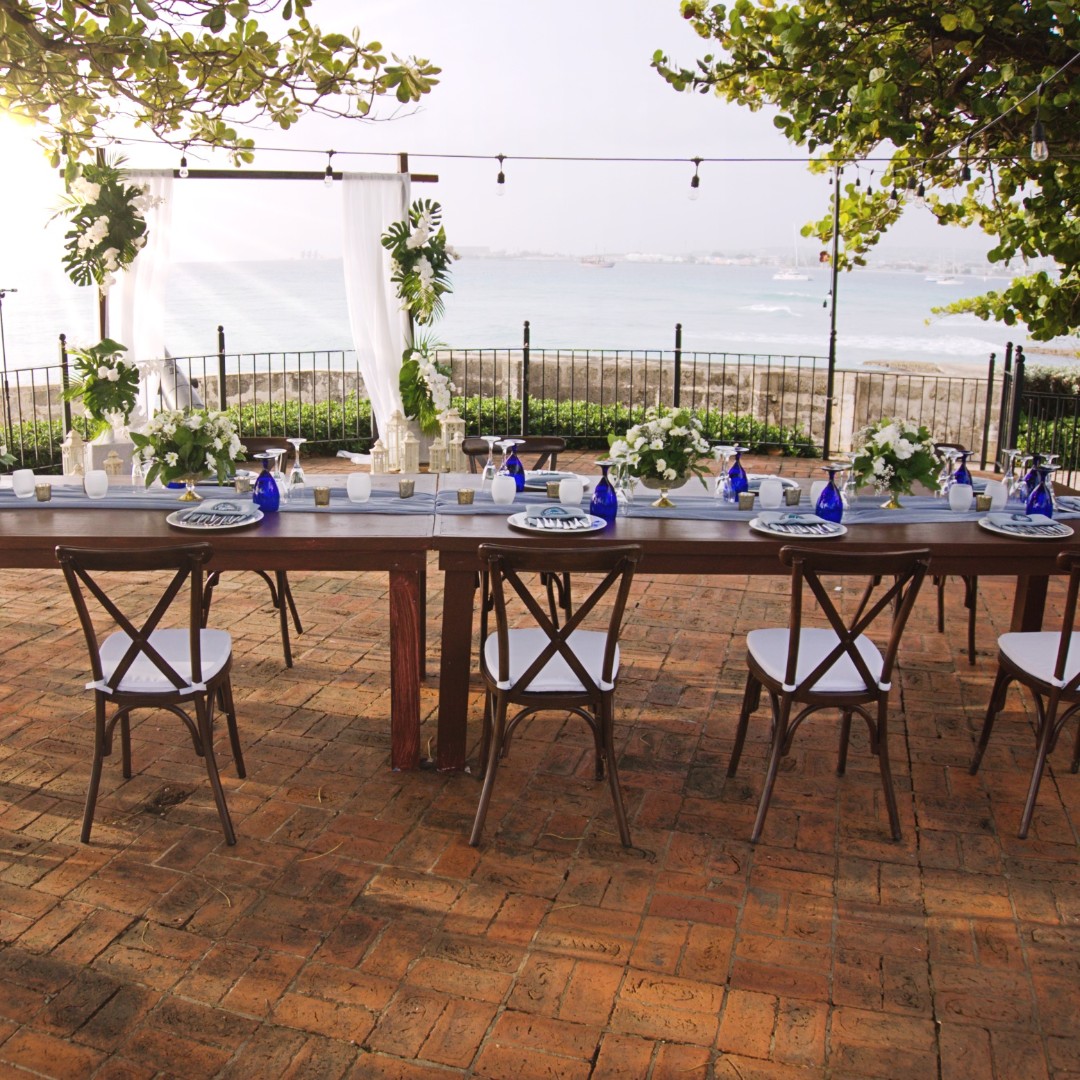
The Complete Commercial Guide to Salt-Resistant Restaurant and Cafe Furniture
Salt-laden air accelerates corrosion in conventional materials, causing even durable metals to oxidize rapidly. For restaurant owners, cafe operators, and hospitality buyers operating within sight of the ocean, this isn’t just an occasional inconvenience—it’s the single biggest threat to your patio investment.
Walk along any beachfront restaurant terrace, and you’ll notice a hard truth: outdoor furniture in coastal areas either weathers the elements beautifully or falls apart within months. Standard patio furniture often deteriorates quickly, leading to fading, corrosion, cracking, and warping[reference:0]. This isn’t just an aesthetic issue—it’s a direct hit to your bottom line. When furniture fails, guest experience suffers, brand image erodes, and replacement costs add up faster than you expect.
Coastal towns, beachfront resorts, and boardwalk-adjacent properties can’t afford to treat site furnishings as interchangeable commodities. These elements are central to how visitors experience your space. And perception is everything.
This comprehensive guide provides a practical framework for selecting durable, low-maintenance outdoor furniture that withstands salt air, humidity, and constant commercial use—helping you make an informed investment that delivers long-term value.
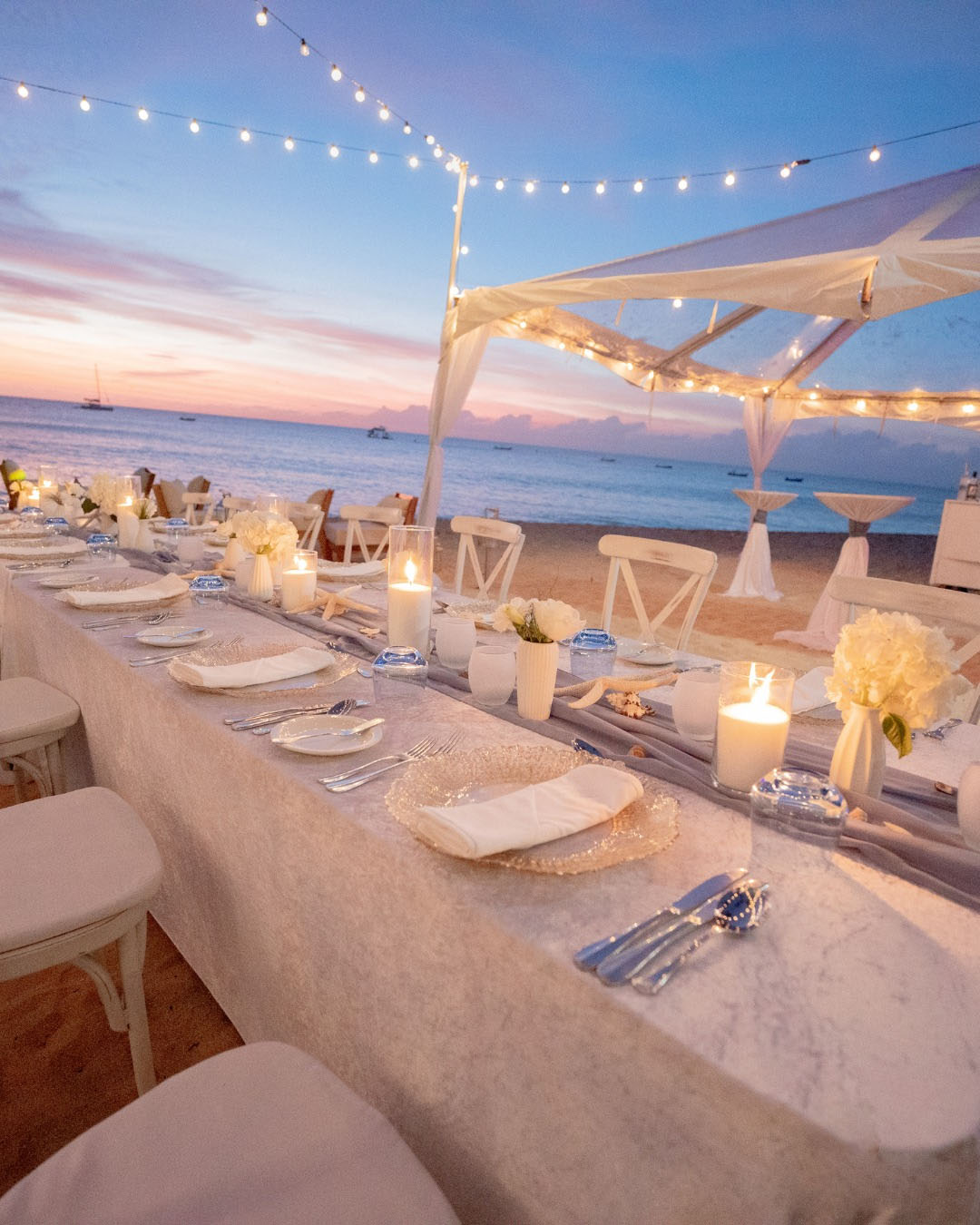
Understanding what you’re up against is the first step to making a smart investment. Coastal environments are uniquely harsh on outdoor furniture. Here’s a breakdown of the main challenges:
The primary culprit in coastal environments is salt air, which carries microscopic salt particles that aggressively accelerate corrosion on metals and degrade finishes[reference:1]. Left unprotected, even the most durable materials will corrode, fade or deteriorate—much faster than in non-coastal environments.
High humidity can cause wood to swell, crack, or grow mold and mildew[reference:2]. For restaurants and resorts operating open-air patios, moisture exposure is constant—and materials that aren’t engineered for humidity will fail quickly.
Intense sun exposure fades fabrics and discolors synthetic materials[reference:3]. For commercial properties where brand aesthetics matter, UV degradation can make furniture look worn and dated long before its structural life is over.
Coastal areas are often windy, and lightweight furniture can become a safety hazard if not properly weighted or secured.
📍 The bottom line: Standard residential-grade furniture—even some mid-tier commercial products—simply can’t survive a full season of these combined stresses. Coastal hospitality venues need furniture specifically engineered for the marine environment from the start.
When it comes to coastal outdoor dining furniture, the ideal choices offer inherent resistance to salt, moisture, and UV rays—ensuring longevity and maintaining aesthetic appeal with minimal effort.
Below is a side-by-side comparison of the top-performing materials for commercial coastal environments.
Aluminum remains a top choice for coastal furniture frames due to its strength and lightweight nature. Aluminum is naturally rust-resistant because it forms a protective oxide layer that prevents rust penetration[reference:4]. When powder-coated, it becomes highly resistant to corrosion and scratching, making it perfect for dining chairs, tables, and loungers facing year-round salt air exposure[reference:5].
For commercial applications, aluminum’s lightweight construction is a major operational advantage. Staff can easily rearrange seating layouts, stack chairs for storage, and maintain flexible floor plans—all without struggling with heavy furniture. In coastal environments, powder-coated steel or marine-grade aluminum are better choices than untreated metals or wood. These materials resist the dual threat of corrosion and UV degradation.
What to look for: Heavy-gauge marine-grade aluminum (6000 series) with premium powder coating, UV-stabilized finish for color retention, all-welded construction rather than bolted joints.
High-Density Polyethylene (HDPE) lumber, often called poly lumber, is one of the most durable outdoor furniture materials available today. This solid material is impervious to salt, moisture, UV rays, and extreme temperatures[reference:6]. It won’t rust, rot, peel, or splinter. Salt air, UV exposure, and moisture have virtually no degradative effect on quality poly lumber.
Why HDPE excels in coastal settings: Color runs throughout the material, so scratches and wear don’t create visible white spots. Requires zero staining—just a pressure wash once a year.
The catch: Higher upfront cost than basic alternatives and heavier than aluminum. Not the best choice for venues that need to stack and store furniture daily.
Best for: Casual beachfront dining, family-friendly venues, poolside areas, and properties where minimal maintenance is the top priority.
For ultimate corrosion resistance, 316 marine-grade stainless steel is engineered to endure salt exposure, making it ideal for modern coastal outdoor furniture[reference:7]. Superior to standard 304-grade, offering exceptional salt air resistance due to its molybdenum content.
Key advantages: Exceptional strength, virtually maintenance-free longevity, premium aesthetic.
The trade-off: Significantly higher initial cost and substantial weight. Full stainless frames are premium and sleek, but cost and weight limit broad deployment.
Best for: High-end restaurant installations, outdoor kitchens, architectural dining tables, and permanent fixtures where budget allows for the investment.
Modern all-weather wicker, made from solution-dyed synthetic resin, offers the warmth of traditional woven textures with superior durability. The synthetic resin wicker resists UV and moisture damage, while the aluminum frame provides rust-free structural integrity[reference:8]. Color penetrates throughout the material, preventing salt-induced fading.
When paired with powder-coated aluminum frames, synthetic rattan combines visual appeal with structural integrity. The material is lightweight, weather-resistant, and available in a wide range of colors and weaves.
Best for: Resort patios, covered decks, bistro settings, and venues seeking a relaxed, coastal aesthetic without sacrificing durability.
CDG Furniture’s advantage: CDG’s woven rope collection features high-tenacity, solution-dyed fibers on powder-coated aluminum frames—providing superior weather, water, and UV resistance while maintaining a sophisticated, contemporary look. The rope, crafted from high-quality, weather-resistant synthetic fibers, is meticulously woven to form a supportive backrest that contours to the body. Beneath the woven elements lies a robust metal frame, powder-coated in a sleek, neutral hue. This finish acts as a shield against rust, corrosion, and fading, making the chair impervious to the elements.
Grade A teak remains one of the most luxurious and naturally durable hardwoods, perfect for outdoor use when maintained properly. Natural oils provide inherent water and salt resistance[reference:9]. Teak is durable but high-maintenance if you want to keep that golden hue. In intense sun, teak will turn silvery-gray within months unless you commit to regular oiling.
Best for: Luxury venues, premium beach clubs, and properties with dedicated maintenance budgets.
Understanding search intent helps content reach the right audience. Here are key search terms used by restaurant owners and hospitality buyers researching coastal outdoor furniture[reference:10][reference:11]:
These search terms reflect what commercial buyers care about most: durability, corrosion resistance, commercial-grade construction, and low maintenance.
With over 15 years of experience in the furniture industry, CDG Furniture has established itself as a trusted manufacturer of commercial-grade outdoor and restaurant furniture. Our products serve customers from Australia, North America, South America, Europe, the Middle East, and South Africa.
CDG’s outdoor seating lines are built with high-quality aluminum frames that ensure lightness and durability. The aluminum frame resists corrosion and rust, maintaining a good appearance even in changing weather conditions.
High-quality, weather-resistant synthetic fibers meticulously woven to form supportive backrests. The rope material is waterproof and UV-resistant, ensuring product quality and service life.
Lightweight and stackable chairs are easily movable and simple to store—especially valuable for coastal venues that may need to clear patios quickly during unexpected weather events.
Waterproof cushions upholstered in durable, easy-to-clean fabric—spills, rain showers, or morning dew won’t leave you scrambling to dry or replace the cushion.
CDG Furniture offers customizable, weather-resistant chairs in 20+ colors, from coastal whites to bold teals. The brand’s color guide recommends turquoise-accented bistro sets that echo ocean tones, creating a cohesive “beach escape” vibe for coastal properties.
Not all coastal locations are equal. Properties within one mile of the ocean experience the highest salt exposure and should prioritize Tier 1 materials (powder-coated aluminum or poly lumber) exclusively. Even high-quality alternatives deteriorate quickly in these locations.
Look for fully welded joints rather than bolted assemblies, marine-grade fasteners (316 stainless steel), thick powder coating, and reinforced stress points.
| If you need… | Choose… |
| Daily stacking and storage | Lightweight powder-coated aluminum |
| Zero maintenance year-round | HDPE poly lumber |
| Premium coastal aesthetic with durability | Woven rope over aluminum frame |
| Heavy-duty permanent installation | Marine-grade 316 stainless steel |
| Luxury natural look with maintenance budget | Grade-A teak |
Quality outdoor furniture with 10+ year frame warranties and minimal maintenance requirements often costs less over time than cheaper alternatives requiring frequent replacement or extensive upkeep.
Choose a manufacturer with proven experience in commercial coastal furniture, global shipping capability, and customization options.
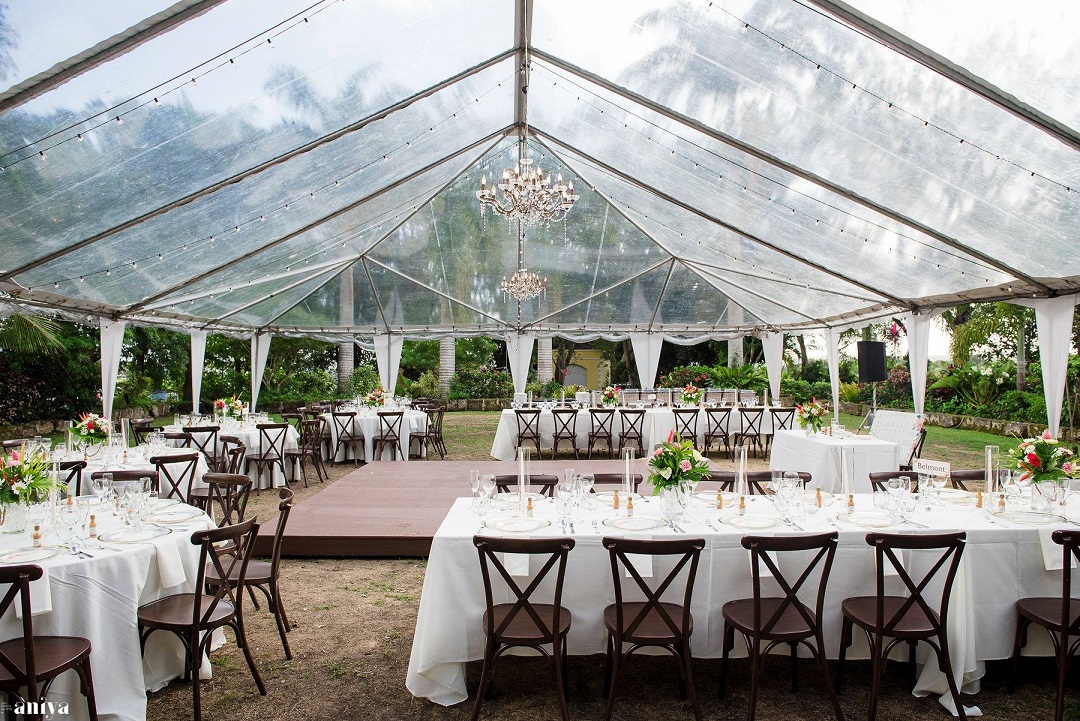
Even the most durable coastal furniture benefits from proper care[reference:12][reference:13]:
Aluminum frames
Rinse monthly with fresh water to remove salt accumulation. Clean with mild soap and water as needed.
Woven rope
Wipe down with damp cloth periodically. The synthetic fibers resist UV and moisture damage but benefit from occasional cleaning to remove salt residue.
HDPE poly lumber
Pressure wash once per year. No sealing, staining, or painting required.
Cushions
Store cushions during extreme weather or off-season. Quick-dry foam cushions resist mold and dry rapidly after rain.
General tip: Consider multiple smaller furniture groupings that can be repositioned based on wind direction rather than large permanent installations. Rinse furniture monthly with fresh water to remove salt accumulation.
A: Quality commercial-grade furniture from reputable manufacturers using powder-coated aluminum or HDPE typically lasts 7–10 years with proper care. HDPE poly lumber can last 15–20 years with virtually no maintenance[reference:14].
A: Yes, if you’ve chosen true commercial-grade, weather-resistant materials. Powder-coated aluminum, HDPE, and marine-grade stainless steel are designed for year-round outdoor exposure. However, storing cushions during extreme weather extends their life significantly.
A: Powder-coated aluminum offers the best value—durable, lightweight, rust-proof, and affordable. For slightly higher budgets, woven rope over aluminum frames adds premium aesthetic without sacrificing durability.
A: Aluminum can absorb heat in direct sunlight. For beachfront properties, choose lighter powder-coat colors (whites, tans, light grays) that reflect heat rather than dark colors that absorb it. CDG offers coastal-inspired neutral tones specifically for this reason.
A: Yes. CDG Furniture offers customizable, weather-resistant chairs in 20+ colors, from coastal whites to bold teals, and can match specific Pantone shades for brand consistency.
A: Standard catalog items are typically ready within 30 to 45 days. Custom orders may require additional lead time. CDG Furniture’s large production capacity supports both standard and custom orders efficiently.
CDG Furniture has been a trusted partner to restaurants, cafes, hotels, and commercial projects worldwide for over 15 years. Our commercial-grade outdoor seating collections are engineered to perform in the harshest coastal conditions while elevating your brand’s aesthetic.
📧 cdg01@cdgfurniture.com | 📞 +86-13926103331 (Ms. Lisa Liang)
About CDG Furniture: With over 20 years of experience in commercial and outdoor furniture manufacturing, CDG Furniture serves restaurants, cafes, hotels, resorts, and commercial projects in over 30 countries worldwide. Our products combine commercial-grade durability with contemporary design, ensuring your coastal investment delivers lasting value. Founded in 2006 and based in Guangzhou, China, CDG Furniture is a leading woven rope chair manufacturer and outdoor furniture manufacturer trusted by hospitality buyers globally.